
Basement Ant Problems: Why They Show Up and How to Get Rid of Them
October 17, 2026
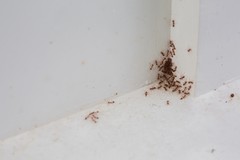
Spotting a trail of tiny invaders marching across your concrete floor is one of those unwelcome surprises that can quickly turn a quiet afternoon into a hunt for the source. If you have been finding ants in your basement, you are far from alone. Basements create nearly ideal conditions for certain ant species, and once a colony finds a reliable path indoors, the problem rarely disappears on its own. That is exactly why so many homeowners turn to professional pest control in Wausau, WI when the trails keep coming back.
Understanding why these pests choose your lower level is the first step toward reclaiming it. In this guide, we will walk through what attracts them, how to identify what you are dealing with, and the most effective ways to send them packing for good.
Basements offer a combination of features that ants find irresistible. They tend to be cool, dark, and often damp, which mirrors the natural environments many species prefer. Moisture is the single biggest draw. A leaky pipe, a sweating foundation wall, or a slow drip under a utility sink can create the humid conditions that certain ants, especially carpenter ants, seek out when they are looking to establish a nest.
Beyond moisture, basements are full of hidden entry points. Foundation cracks, gaps around pipes and wiring, unsealed window wells, and spaces where the sill plate meets the concrete all serve as open doors. Because basements are frequently cluttered with stored boxes, firewood, and seldom-used items, ants can settle in undisturbed for weeks before anyone notices the activity. By the time you see ants in your basement in large numbers, there is often an established colony nearby or even within the structure itself.
Food sources matter too. While your lower level may not seem like a kitchen, crumbs from a basement rec room, pet food stored downstairs, or sugary spills near a bar area give foraging ants plenty of reason to keep returning. Once scouts find a reliable meal, they leave scent trails that guide the rest of the colony straight to the buffet.
Not all ants behave the same way, and knowing which type has moved in helps determine the right approach. In central Wisconsin, a few species show up indoors more than others.
Correctly identifying the species is more than a curiosity. Carpenter ants, for example, require a different treatment strategy than smaller nuisance ants because the goal is to locate and eliminate a nest that may be causing damage. Misidentifying the problem often leads to repeated store-bought treatments that never address the root cause. The University of Minnesota Extension's ant identification guide provides additional information about common household ant species.
When people first notice ants in your basement, the instinct is to reach for a spray and attack the visible trail. The trouble is that surface sprays usually kill only the foragers you can see while leaving the colony intact. Worse, some repellent products can cause a colony to split and scatter, spreading the problem to new areas of your home rather than solving it.
Bait stations can be more effective because workers carry the product back to the nest, but they require the right formulation and placement to work. An ant colony may contain thousands of individuals and multiple nesting sites, so a handful of baits in the wrong spots rarely makes a lasting dent. This is one of the main reasons that do-it-yourself efforts tend to offer short-term relief followed by a frustrating return of activity a week or two later.
Lasting control comes from a combination of eliminating what attracts ants and treating the colony directly. Start by addressing moisture, since it is such a powerful magnet. Fix leaks, run a dehumidifier in damp basements, improve drainage around the foundation, and make sure gutters direct water away from the house. Reducing humidity alone can make your basement far less appealing to the pests that thrive in it.
Sealing entry points is the next priority. Caulk foundation cracks, close gaps around pipes and wiring, and repair damaged window screens and weather stripping. Keeping stored items off the floor and reducing clutter removes the undisturbed harborage that colonies love. Cleaning up food sources, sweeping regularly, and storing pet food in sealed containers takes away the reason foragers keep coming back.
When an infestation is already established, though, professional treatment is usually the surest path to a pest-free basement. Trained technicians can trace activity back to its source, identify the species, and apply targeted treatments that reach the colony rather than just the visible trail. They also know how carpenter ants and other wood-damaging species behave, which is critical when your home's structure may be at risk. Our residential pest control services are designed to handle exactly these situations, combining inspection, treatment, and prevention into one approach.
A single ant wandering across the floor is not usually cause for alarm, but certain signs point to a problem worth addressing right away. Persistent trails that return after cleaning, large numbers of winged ants indoors, visible wood shavings, or a soft, hollow sound when you tap wooden beams all suggest an established colony. These situations rarely resolve without professional help.
Seasonal timing plays a role as well. Ants often become more active in spring and summer as colonies grow and send out foragers. If you start seeing ants in your basement as the weather warms, acting early can prevent a minor nuisance from turning into a full infestation. For homeowners who want to stay ahead of the problem, routine service keeps colonies from gaining a foothold in the first place.
We proudly serve Wausau and the surrounding areas, and our team understands the specific pest pressures that come with central Wisconsin homes. Whether you need a one-time treatment or ongoing protection, the goal is always the same: a basement you can use without sharing it with unwanted guests.
Getting rid of basement ants comes down to removing the moisture and food that draw them in, sealing the gaps that let them inside, and treating the colony at its source rather than chasing visible trails. These steps together create a home environment that pests simply cannot sustain. When the problem is stubborn or involves wood-damaging species, bringing in professionals saves time, frustration, and potential repair costs down the road.
If ants have taken over your lower level, there is no need to keep fighting them with temporary fixes. Reach out for a free quote and let our experienced team put together a plan that works. We also offer dependable residential pest control services in Medford, WI and nearby communities, so homeowners across the region can enjoy a cleaner, pest-free space all year long.
October 17, 2026

October 15, 2026
October 3, 2026

October 1, 2026