What Stink Bugs Eat and Why They Come Near Your Home
October 3, 2026
Few insects announce their presence quite like the stink bug. That distinctive odor, released when the bug feels threatened, has a way of ending up on hands, windowsills, and clean laundry during the cooler months. If you have ever wondered what does the stink bug eat and why these shield-shaped pests keep showing up on your walls and screens, you are not alone. Homeowners across Wisconsin ask us this question every fall, and understanding the answer is the first step toward keeping them out. At Marathon Pest Control, our team provides trusted pest control in the Wausau area and helps families understand exactly what attracts these insects in the first place.
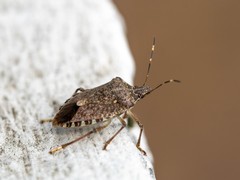
Stink bugs are not native to North America, but they have become a familiar nuisance throughout the Midwest. The brown marmorated stink bug in particular has spread widely, and its feeding habits and seasonal behavior explain a great deal about why it gravitates toward residential areas. Once you know what draws them in, prevention becomes far more manageable.
Stink bugs are primarily plant feeders. They use piercing, straw-like mouthparts to puncture fruits, vegetables, and plant tissue, then drink the juices inside. This feeding style makes them a significant concern for gardeners and farmers alike, because the damage they cause often shows up as dimpled, scarred, or discolored produce.
When people ask what does the stink bug eat, the honest answer is that these insects have a remarkably broad diet. They are drawn to apples, peaches, tomatoes, peppers, corn, beans, and a wide range of ornamental plants. In an agricultural region like central Wisconsin, that appetite means stink bugs find plenty to feed on throughout the growing season. They also target soybeans and various tree fruits, which keeps their populations well fed and growing as summer progresses.
Because their diet is so varied, a yard with a vegetable garden, fruit trees, or decorative shrubs can easily become a feeding ground. The more food available nearby, the larger the local population grows, and the more likely those bugs are to end up near the walls of your home when the weather turns.
Feeding is only half the story. The reason stink bugs become a household nuisance has less to do with food and more to do with shelter. As temperatures drop in autumn, stink bugs search for warm, protected places to spend the winter in a dormant state. Your home, with its sun-warmed siding and countless small gaps, is an ideal destination.
These insects are strongly attracted to warmth and light. On sunny fall afternoons, you may notice them clustering on the south and west facing walls of your house where the sun hits hardest. From there, they work their way inside through cracks around windows, door frames, utility lines, vents, and gaps in siding. Once indoors, they often remain hidden in wall voids, attics, and crawl spaces until warmer weather coaxes them back out, which is why many homeowners spot them again in spring.
Understanding what does the stink bug eat helps explain the timing too. After a full season of feeding on garden plants and crops, large numbers of well-nourished adults are ready to overwinter all at once. That combination of abundant food in summer and the search for shelter in fall is exactly why homes in Wausau and the surrounding areas see sudden surges of these pests.
Stink bugs are not shy once they decide your home looks inviting. The most obvious sign is simply seeing them, often crawling slowly across walls, windows, or ceilings. A few early arrivals in late summer can quickly turn into dozens if entry points are not sealed. Here are the indicators most homeowners notice first:
If you are seeing these signs year after year, the population around your property has likely established itself. At that point, addressing both the outdoor conditions and the entry points becomes essential to lasting relief.
Prevention is far easier than removal once stink bugs are inside your walls. The single most effective strategy is sealing the openings they use to get in. Inspect the exterior of your home and caulk gaps around windows, doors, pipes, and cable entries. Repair torn screens, add door sweeps, and pay close attention to areas where utilities pass through the siding.
Reducing outdoor attractants helps as well. Since you now know what does the stink bug eat, you can see why managing garden debris, harvesting ripe produce promptly, and keeping plantings a bit farther from the foundation can make your home less appealing. Exterior lighting also draws them, so switching to less attractive bulbs or keeping lights off during peak fall evenings can reduce the numbers congregating on your walls.
When stink bugs do make it indoors, avoid crushing them, since that releases their odor and can stain surfaces. Vacuuming them up is a cleaner option, though a dedicated vacuum or disposable bag is wise because the smell can linger. For recurring infestations, professional treatment around entry points and the perimeter of your home offers the most reliable control. If you have struggled with other seasonal invaders too, our overview of pest control services explains how a comprehensive approach keeps multiple pests at bay.
A handful of stink bugs can usually be handled with a vacuum and some careful sealing. But when the same walls fill up every autumn, or when bugs keep reappearing inside no matter how many you remove, it is a sign that the population around your property needs professional attention. Treating hidden harborage points and establishing a protective barrier around the structure addresses the problem at its source rather than one bug at a time.
Timing matters as well. The best results come from treating before the fall migration begins, which means late summer and early autumn are ideal windows to act. A trained technician can identify the specific entry points and conditions attracting stink bugs to your home and tailor a plan to your property. Whether you need help in Wausau or are searching for reliable residential pest control in Wausau, WI, local expertise makes a real difference because treatment is matched to the pests and seasons common to central Wisconsin.
Our coverage extends well beyond the metro area, including residential pest control services in Marshfield, WI and neighboring towns throughout the region. If stink bugs or other pests have been testing your patience, understanding what does the stink bug eat is a smart start, and professional help can take it the rest of the way. Reach out to Marathon Pest Control for a plan that keeps your home comfortable and bug-free through every season.